HackHub Ultimate Hacker Simulator Hack the Hub Job Board
Side contracts, economy loops, and repeatable investigation templates.
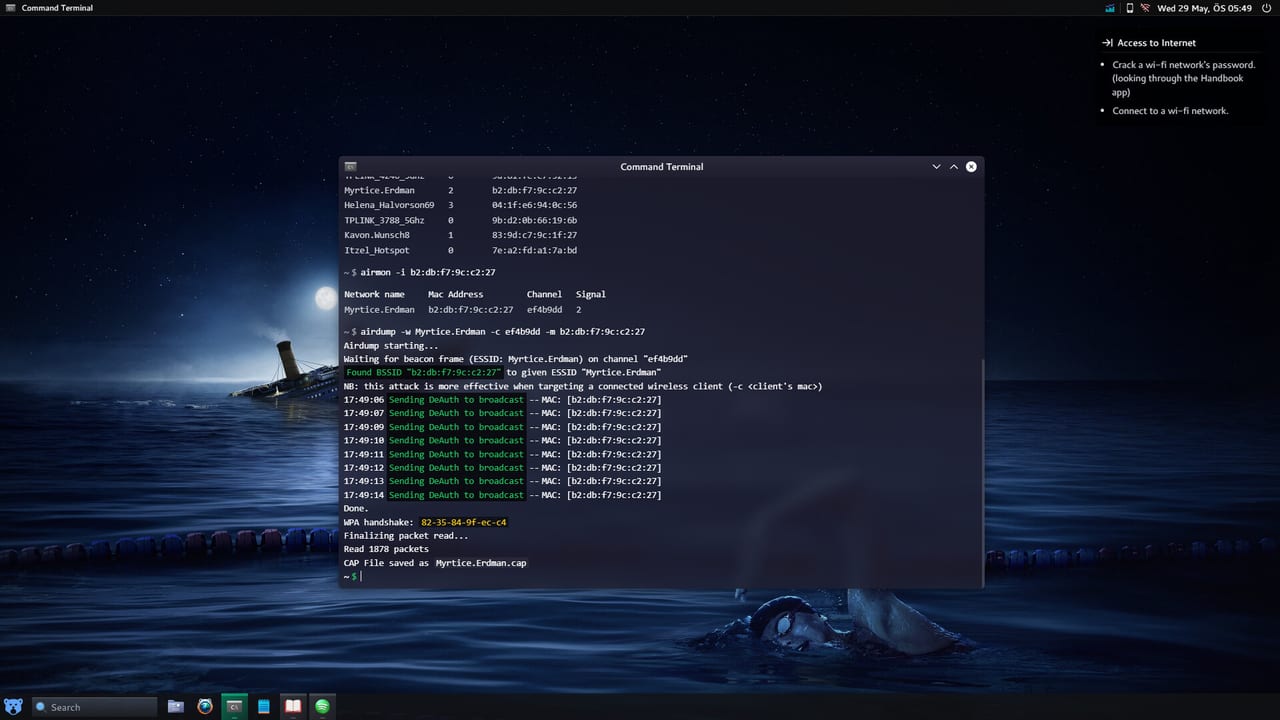
Hack the Hub is HackHub Ultimate Hacker Simulator’s in-fiction job board — a stream of paid side contracts parallel to the main Journalist’s Sister campaign. HotBunny uses it to teach repeatable investigation loops on Steam app 2980270 while funding your toolchain through session-randomized targets. Unlike story mail, contracts tolerate more experimentation, pay cash and reputation, and recycle the same tool chain: OSINT → recon → exploit → proof. This guide explains board mechanics, a representative Checkout Override-style workflow at process level, high-level patterns for community-named side arcs, and economy tips — without fixed IPs, passwords, or loot filenames that change every save.
Read How to Play for the broader game loop, then return here when you want income between story chapters or practice before late-game firewall puzzles in NetTree.
Accessing and accepting contracts
Open Hack the Hub from the desktop browser or dedicated app icon when unlocked (usually after early onboarding in Getting Started). The board lists:
- Contract title and payout — scales with reputation tier.
- Target organization — company name, domain, or persona to investigate.
- Objective summary — alter data, exfiltrate a file, find credentials, etc.
- Optional constraints — stealth, time limits, or “no alerts” fiction on higher tiers.
Accept one contract at a time when learning; stacked objectives confuse scan notes. Abandon only if the UI allows without penalty — some builds charge reputation for flaking.
Universal contract pipeline
Every Hub job maps to the same five phases documented across the Tools Hub:
- Identify — copy names, domains, and keywords from the contract card into
~/notes/. - Resolve —
whois, in-game browser, or search apps turn names into routable targets. - Enumerate — Nmap
-sVon your discovered IPs; log ports and banners. - Access — Metasploit, Hydra, sqlmap, or GUI apps per service type.
- Prove — upload evidence, edit the requested record, or reply via mail UI.
Randomization means step 3 never copies a YouTube IP — only the sequence repeats.
Checkout Override–style workflow (process only)
Many retail-themed contracts follow a pattern community guides nickname Checkout Override: manipulate a web storefront or payment record without touching unrelated customer data. Process template:
Phase A — Domain and perimeter
whois TARGET-DOMAINUse the domain string from your contract card. Browser-pass the corporate site; note admin paths, login forms, and technology hints (PHP, ASP, custom cart).
Phase B — Service scan
nmap DISCOVERED_IP -sV -p 80,443,8080,8443,22Replace DISCOVERED_IP with WHOIS or DNS resolution output from your session. Open ports dictate whether you pivot to HTTP exploitation, SSH, or Port Forwarding if the web tier sits behind NAT.
Phase C — Exploitation
When banners match vulnerable modules, use Metasploit with RHOST/RPORT from your scan — not a walkthrough module list. Web-only contracts may need sqlmap on injectable parameters instead of a full shell.
Phase D — Credentials from loot
Successful exploitation or mail drops often yield loot files — text exports listing database hosts, usernames, and passwords scoped to your save. Open them in File Explorer or cat; never assume filenames match older guides. Typical next step:
- Open Database Manager GUI.
- Enter host/IP from loot, not guessed.
- Login with credentials from loot, not memorized spoilers.
- Locate the table the contract names (orders, products, checkout).
- Edit the row or price field the objective specifies.
Phase E — Turn-in
Confirm in-game toast or mail acknowledgment before accepting another contract — some builds require screenshot proof uploaded through the Hub UI.
This pipeline also appears in main-story shopping beats; Hub versions pay better and randomize storefront schemas.
Other side arc patterns (high level)
Community discussions reference recurring side arc flavors without a single canonical name in mail. Treat these as templates:
Neighborhood grudge jobs — Wi-Fi capture, router access, or credential theft from a residential target. Usually pairs Wi-Fi and Hashcat with Hydra after handshake recovery. Process: identify SSID from contract → capture → crack → pivot to PC or exam file exfil. No fixed neighbor password exists across saves.
Academic / exam theft fiction — exfiltrate a document from a student or institution network. Expect layered NAT, shared drives, and FTP/SSH services found via Nmap. Social hints in contract text replace spoiler file paths.
Corporate audit sabotage — alter logs or financial records with stealth undertones; may interact with achievement-style log editing fiction — see Achievements for Digital Ghost-adjacent habits without duplicating story spoilers.
For each arc, write your own IP table — arcs differ in dressing, not in core tools.
Economy and reputation tips
Early game — prioritize low-risk contracts to buy wordlists and Bettercap gear before story gear gates.
Mid game — alternate Hub jobs with Journalist chapters when stuck; contract cash funds Hashcat time on Wi-Fi-locked story nodes.
Late game — high-tier contracts assume Metasploit + sqlmap fluency; failing repeatedly costs more time than one focused Tools Hub review.
Reputation — clean completes unlock better payouts; noisy Hydra lockouts may reduce tier progress on some contracts.
Spending — verify the in-game store against wiki tool pages before duplicate purchases; see How to Play shopping section.
When contracts stall
| Symptom | Likely fix |
|---|---|
nmap shows nothing | Wrong subnet; re-read contract WHOIS; check NetTree |
| Have shell, no objective progress | Wrong loot file; search home directory downloads |
| Database Manager rejects login | Credentials from current loot, not prior contract |
| Web injectable but no DB access | Use sqlmap first, then GUI with dumped creds |
| Checkout unchanged after SQL edit | Wrong table/row; re-read objective nouns |
Troubleshooting covers global softlocks; Hub-specific issues are usually wrong-host selection.
Story vs Hub priority
Story unlocks tools and apps; Hub pays for them. Neither is strictly mandatory, but ignoring story locks advanced Metasploit modules; ignoring Hub slows economy. Version 1.0 multiplayer adds separate procedural company work — see Multiplayer — distinct from solo Hack the Hub saves.
Automation boundaries
Code++ and Workshop mods can batch scans between contracts. Parameterize targets — hardcoded IPs fail next job by design. Manual completion of one full Hub loop before automating builds intuition randomized missions demand.
Demo and full game
The Steam demo includes introductory Hub-style missions at smaller scale. Full board depth, late-tier payouts, and cross-chapter loot require app 2980270 after August 1, 2026 1.0.
Practice objective
Accept one retail or data-alteration contract on your save:
- Complete WHOIS → Nmap → access without external IPs.
- Use loot-driven Database Manager login once.
- Finish turn-in and log payout per reputation tier.
- Archive scan notes before accepting the next job.
Repeat until the five-phase pipeline feels automatic — that is Hack the Hub’s training purpose inside HotBunny’s simulation.
Frequently Asked Questions
Quick answers to common HackHub questions.
Where is Hack the Hub in the game?
Open it from the desktop browser or job board app after early onboarding. It lists side contracts separate from Journalist story mail.
Do Hub contracts use fixed passwords?
No. Credentials and IPs randomize per session. Use loot files and scans from your current save.
What is the Checkout Override pattern?
A common retail contract flow: whois the domain, nmap services, exploit or inject, then edit checkout data via Database Manager using loot credentials.
Should I do Hub jobs or story first?
Alternate when stuck. Story unlocks tools; Hub pays for wordlists and gear. Both teach the same investigation pipeline.
Does Hack the Hub appear in the demo?
Introductory contract-style missions yes; full board depth and late payouts require the paid 1.0 release.
Can sqlmap replace Database Manager on Hub jobs?
Often you sqlmap first to discover or dump creds, then use Database Manager for precise edits the contract names.